
Blog

Winter has a way of making us feel different. You may notice your energy dipping, your digestion becoming less predictable or that urge to reach for comfort foods more often than usual. While colder weather certainly plays a role, another factor is often working behind the scenes: stress.
Stress doesn’t only affect how we think or feel. It has a significant impact on the body too, influencing everything from digestion and energy levels to appetite and immune function. During winter, when routines change and people spend more time indoors, these effects can become even more noticeable.
Understanding the close relationship between the gut and the brain helps explain why stress often feels so physical and why supporting your nutrition during this time of year is so important.
Stress affects far more than your mental wellbeing
Stress is often viewed as an emotional experience, but the body responds to it in many physical ways. One of the first areas to be affected is often our eating habits.
When life feels busy or overwhelming, healthy routines are usually the first to slip. Meals become irregular, convenience foods replace balanced options and high-sugar snacks become an easy source of quick energy. While these choices may provide temporary satisfaction, they can also lead to blood sugar fluctuations that leave you feeling even more tired and irritable.
Stress can also influence behaviours later in the day. After a demanding day, it’s common to overeat, rely on alcohol to unwind or turn to other habits that may provide short-term relief but do little to support long-term health. Over time, these patterns can reduce the body’s intake of important nutrients needed for normal energy production and nervous system function.
The effects of stress extend beyond our eating habits. They also influence how the digestive system functions, highlighting the close relationship between the gut and the brain.

Understanding the gut–brain axis
One of the most fascinating discoveries in modern health research is just how closely the gut and the brain communicate. This relationship, known as the gut–brain axis, allows signals to travel in both directions, meaning emotional stress can affect digestion while digestive health can also influence mood and mental wellbeing.
This helps explain why stressful situations can trigger symptoms such as bloating, stomach discomfort, nausea or the familiar feeling of ‘butterflies’ in your stomach. Likewise, ongoing digestive discomfort can contribute to feelings of anxiety or low mood, creating a cycle that’s often difficult to break.
Recognising this two-way relationship encourages a more holistic approach to managing stress, one that supports both emotional wellbeing and digestive health.
Why nutrition matters during stressful periods
Because stress can influence both our eating habits and the body’s normal functioning, nutrition becomes especially important during demanding periods.
Stress doesn’t just change what we eat. It can also increase the body’s demand for nutrients involved in normal nervous system function and energy-yielding metabolism.
B-vitamins play a central role in helping the body convert food into the energy needed to fuel the brain and support the normal functioning of nerve cells. Although a balanced diet remains the best foundation, consistently meeting nutritional needs isn’t always easy, particularly during busy or stressful periods. Nutritional support can help fill gaps when dietary intake falls short.
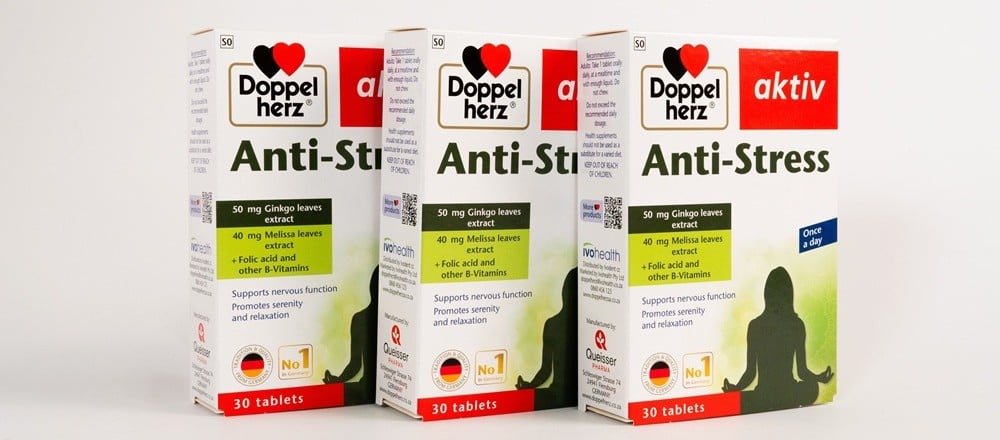
Doppelherz® aktiv Anti-Stress provides niacin, pantothenic acid, biotin, folic acid together with other B-vitamins to complement a balanced diet and support mental focus during periods of stress.
Traditional botanicals and the gut–mind connection
Stress often affects more than the mind. For many people, it can also influence digestive comfort, highlighting the close relationship between the gut and the brain.
Melissa has traditionally been used to help relieve feelings of anxiety and nervousness and is also recognised for its positive effects on the digestive system, making it particularly relevant when stress affects digestion.
Ginkgo has been used for centuries and, in Asia, is regarded as a symbol of vitality and mental strength. It has traditionally been used to help support mental concentration and alertness.
Together with folic acid and other B-vitamins, Melissa and Ginkgo form part of the Doppelherz® aktiv Anti-Stress formulation, which is suited to people experiencing the pressures of work, studying or other demanding situations.

Supporting your health through winter
Managing stress during winter requires more than simply trying to relax. Supporting your body starts with consistent daily habits that help build resilience over time.
Some practical ways to support both your gut and your overall wellbeing include:
- Eating regular, balanced meals that include plenty of fibre-rich foods.
- Prioritising sleep and maintaining a consistent bedtime routine.
- Staying physically active, even if it’s just a daily walk.
- Finding healthy ways to manage stress, such as mindfulness, breathing exercises or spending time outdoors.
- Staying hydrated throughout the day.
- Considering nutritional support if you’re struggling to meet your nutrient needs through diet alone.
Taking a whole-body approach to stress
Stress is a normal part of modern life, but it doesn’t only affect the mind. It influences multiple systems throughout the body, particularly the digestive system, energy metabolism and immune function.
Understanding the gut–mind connection reminds us that physical and mental wellbeing are closely linked. By supporting your body with good nutrition, healthy lifestyle habits and appropriate nutritional support where needed, you can help build resilience and feel better equipped to navigate the demands of winter and beyond.
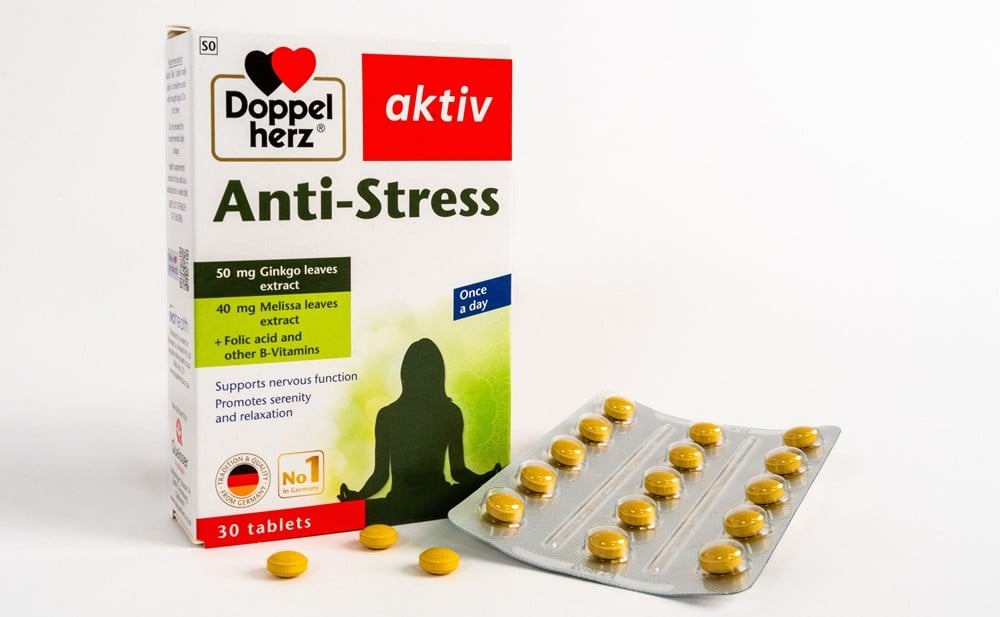
Doppelherz® aktiv Anti-Stress – Supports nervous function for mental agility (concentration and alertness). Promotes serenity and relaxation. Relieves anxiety. Leaf extracts of two traditional herbals; melissa and ginkgo biloba.
Complementary medicine, combination product.
This unregistered medicine has not been evaluated by SAHPRA for its quality, safety or intended use.