Letibam – The perfect Lip and nose care. The skin around your lips and nose is delicate, thinner, drier, and more prone to irritation than other areas. And it’s an area that is often the first to show signs of irritation, whether a result of colds, flu, allergies, harsh weather, teething or acne treatment.
This expert-reviewed guide explains how to care for lips and noses in every season.
Why Lips and Noses Are So Sensitive
Lips and noses face daily exposure to friction, dry air, saliva, allergens and sun – and they’re structurally more vulnerable:
- The skin is thinner than elsewhere on the face
- There are fewer oil glands to lock in moisture
- Lips have no sweat glands, making them prone to dehydration
- Frequent wiping or sneezing worsens irritation
“The lips and nose have fewer oil glands and are more prone to dryness and barrier disruption. They’re also regularly exposed to friction and irritants – so they need consistent protection.” — Dr Lauren Knight, Dermatologist.
Because these areas lose moisture so easily, barrier repair is essential, using a balm that both hydrates and seals to support skin resilience and comfort.
What Happens When the Barrier Breaks Down?
When the skin barrier is disrupted, you may notice:
- Redness, flaking or soreness
- Cracks or scabbing around the nostrils
- Stinging when applying products
- Prolonged healing after a cold or flare-up
Fragranced products, rough tissues, or cold, dry air can worsen this. The good news? With the right routine, your skin can recover quickly and prevent future flare-ups.
What Causes Redness Around the Nose?
The sensitive area around the nose and lips can become dry, cracked or red for many reasons. Common culprits include:
- Colds and flu – frequent wiping breaks down the skin’s protective barrier
- Seasonal allergies – sneezing, rubbing and a constantly runny nose can lead to inflammation
- Acne treatment – isotretinoin (e.g. Roaccutane) is drying and makes skin more sensitive and prone to cracking
- Teething or drooling – excess moisture around the nose and mouth can irritate babies’ skin
- Weather and heating – dry air in winter (e.g. Highveld winters) or exposure to cold and wind can dry out the skin
Lip And Nose Care – Based on Your Needs
Runny Nose from Colds, Flu or Allergies
- Use soft, fragrance-free tissues to avoid further damage
- Reapply balm after every wipe or blow
- Look for a formula that hydrates and protects (occlusive + humectant)
Acne Treatment Side Effects
Dry, cracked or inflamed lips are a common side effect of acne medication, especially isotretinoin (commonly known as Roaccutane). This treatment reduces oil production, which can severely dry out the skin around the lips and nose. To protect and soothe the lips when on acne treatment:
- Use light, non-greasy balms suitable for sensitive or acne-prone skin
- Avoid fragranced products, which may sting or irritate
- Reapply balm frequently, especially after eating or washing
- Use an SPF product during the day – the skin becomes more sun-sensitive
“When caring for lips and noses affected by acne treatments, it’s essential to focus on barrier repair, hydration and gentle care.” — Dr Lauren Knight, Dermatologist.
Babies and Toddlers (3+ months)
- Teething and drooling can cause sore skin around the nose and mouth
- Mucus on the skin can be irritating, causing children to pick or lick the skin
- Avoid over-wiping and scented skincare products
- Use a paediatric-tested balm that’s fragrance-free and formulated for sensitive skin
“Baby skin is thinner and more easily irritated. Look for simple, soothing ingredients and reapply often.” – Dr Lauren Knight.
What is Cheilitis?
Cheilitis is the medical term for inflammation of the lips. It often appears as persistent dryness, redness, cracking or peeling – especially in the corners of the mouth. Cheilistis may be triggered by:
- Acne treatment (like Roaccutane/isotretinoin)
- Fragrance or flavour in lip balms
- Repeated lip licking or drooling
- Sun exposure or cold, dry air
- Skin conditions or secondary infections
Prevention starts with protecting the skin barrier. Use a fragrance-free balm that hydrates and seals in moisture, and avoid licking, scrubbing or over-exfoliating irritated lips.
What About Dribble Rash?
Dribble rash is a common skin irritation in babies and toddlers, often triggered by teething or congestion. It usually shows up as red, rough or inflamed patches around the mouth, cheeks, neck and nose.
This happens when saliva, nasal mucus or food particles sit on the skin, breaking down the barrier, especially when wet bibs or clothing are left in contact with the skin for too long.
“Baby skin is thinner and more vulnerable to irritation. Saliva enzymes, wiping and moisture all contribute to barrier breakdown – especially in the folds and perinasal area.”— Dr Lauren Knight, Dermatologist.
To help prevent or manage dribble rash:
- Gently wash and pat the area dry – avoid rubbing
- Apply a fragrance-free barrier balm to protect the skin
- Avoid scented lotions, wipes or washing powders
- Change damp bibs and clothing frequently
- Keep fingernails short to reduce scratching
If the rash becomes cracked, weepy or painful, it’s best to consult your paediatrician or dermatologist.
Lips and Nose Care – Do’s and Don’ts
✅ DO:
- Use soft, unscented tissues
- Reapply balm throughout the day
- Keep nails short and hands clean
- Encourage children to wipe gently, not rub
- Hydrate well (fluids + humid air)
🚫 DON’T:
- Use perfumed or stinging balms
- Rub skin roughly, especially in children
- Overuse antiseptic creams or steroid ointments without advice
- Ignore persistent redness or cracking
- Lick or pick
Ask the Dermatologist
We asked dermatologist Dr Lauren Knight her some frequently asked questions:
Why do some lip balms make things worse?
Balms with fragrance and preservatives can irritate sensitive lips and skin. For those prone to allergies or dryness, these ingredients can trigger or worsen inflammation.
Is paediatric balm suitable for adults?
Yes. Paediatric formulations are often fragrance-free and hypoallergenic – ideal for adults with ultra-sensitive or compromised skin.
Does petroleum jelly work on its own?
Petroleum jelly seals in moisture but doesn’t provide hydration. Look for a balm that combines both.
How can you speed up the healing of a red, sore nose?
- Wipe gently and only as needed
- Use a soothing balm regularly, especially before bed
- Keep the skin hydrated and avoid irritants
- If needed, address underlying causes like allergies with medication
What’s the difference between dry lips and cheilitis?
Dry lips are usually temporary and improve with moisturiser. Cheilitis lasts longer, may involve inflammation or infection, and often needs more targeted treatment.
Dr Knight specialises in medical, surgical and cosmetic dermatology for adults and children and is passionate about sharing knowledge to empower people to understand their skin better. She shares expert information on social media as @Derm.Discovered.
When to See a Healthcare Professional
Consult your pharmacist or GP if:
- Redness, dryness or cracks don’t improve within a few days
- There are signs of infection (e.g. crusting, bleeding, pus)
- Your child’s skin looks raw, weepy or worsens with balm use
Recommended Products
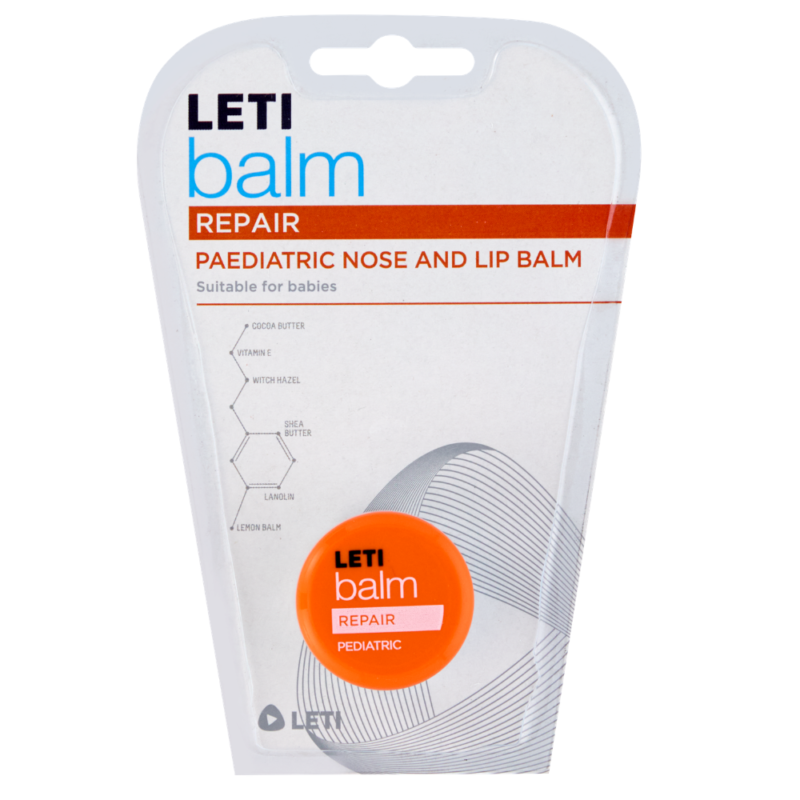
These gentle, effective options are suitable for the whole family:
Explore More