Better Brushing

Brushing better starts here.
Discover dental expert-approved toothbrushes and techniques that make a real difference – for a cleaner mouth, fresher breath and a healthier you.

Index

Reviewed by
Dirna Grobbelaar, Oral Hygiene Advisor
Updated on June 2025

Think you’ve nailed your brushing technique? 
You might be missing more than you realise. This expert guide – packed with expert advice from South African dental professionals – shows how the right brush and smarter brushing habits can transform oral and overall health. Even if you have sensitivity, bleeding gums, braces, implants or dexterity issues – better brushing starts here.

Why Brushing Matters

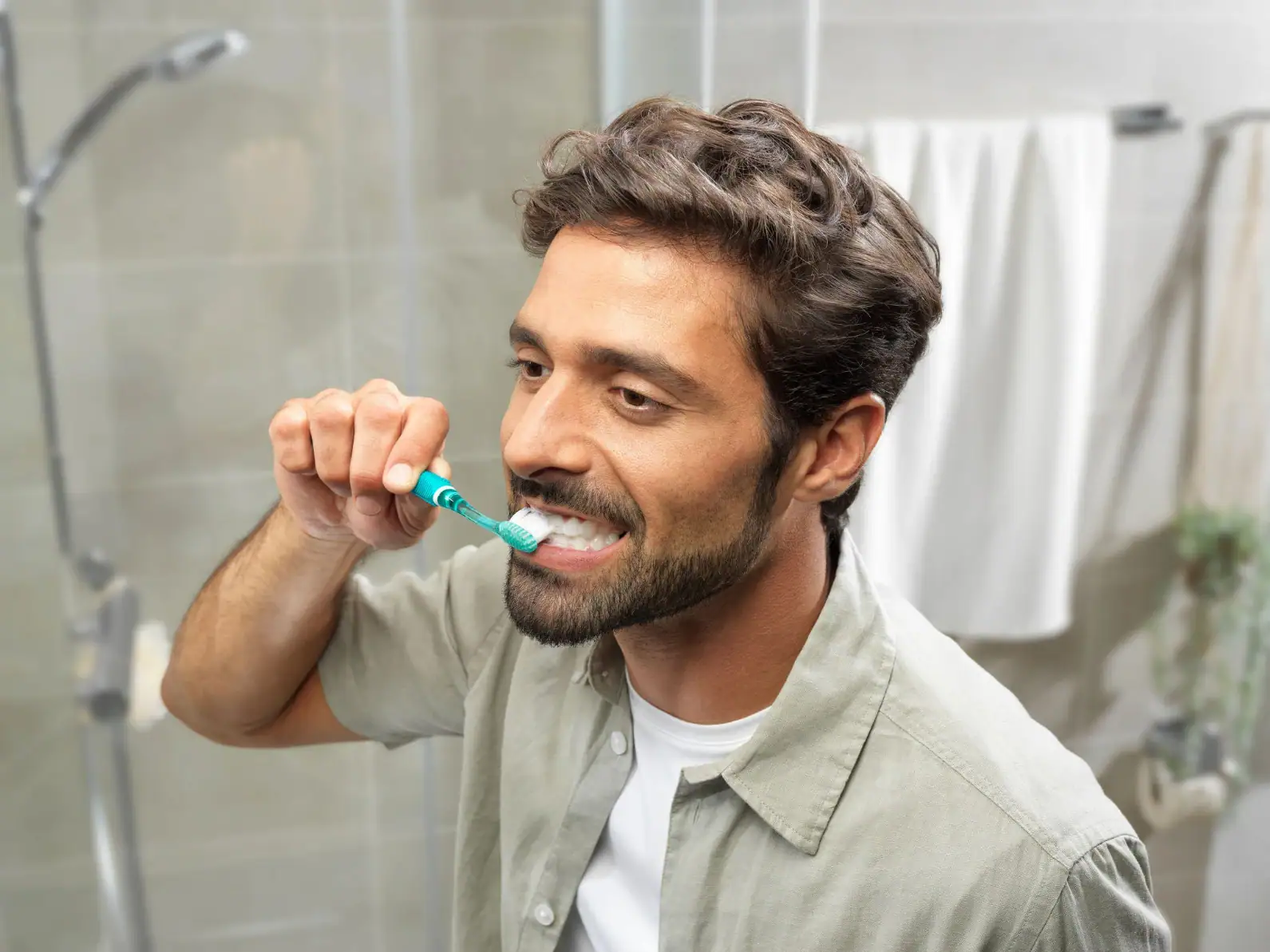
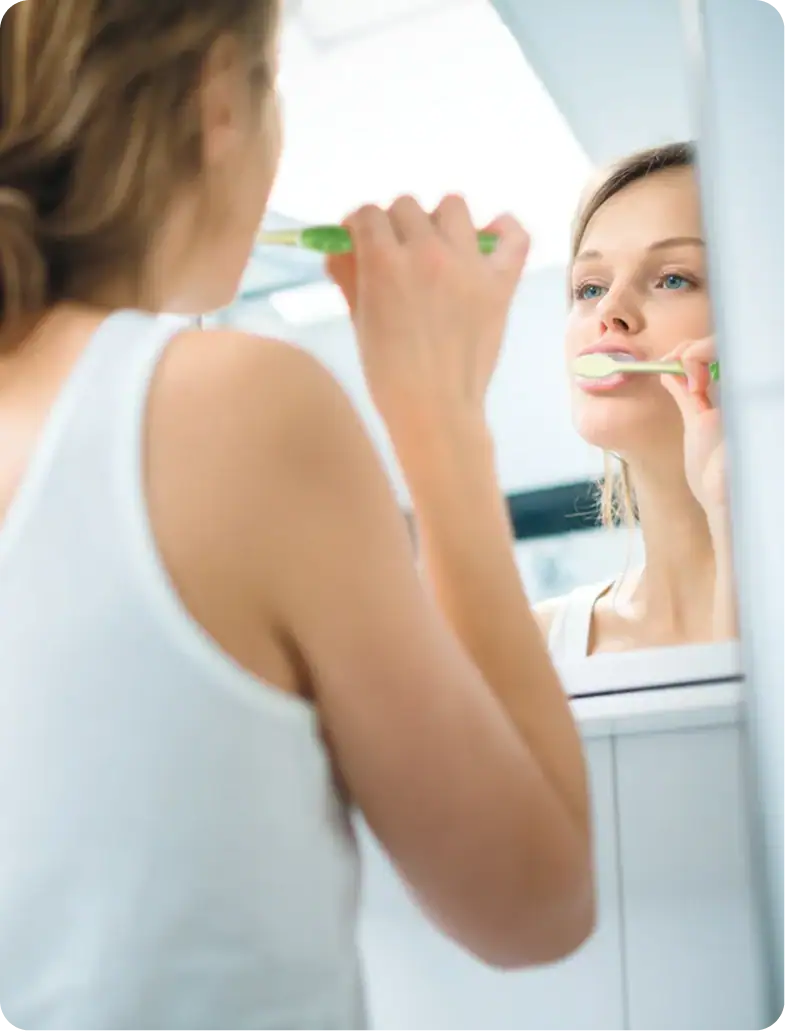
Brushing your teeth isn’t just about keeping your breath fresh — it’s your first line of defence against both oral and systemic disease.

Plaque (also known as biofilm) is a sticky layer of bacteria that forms on your teeth. If not removed, it can lead to inflammation, bleeding gums, bad breath, and eventually gum disease. Left too long, plaque hardens into tartar – and that can’t be brushed away at home. Brushing helps to:

  • Protect your smile: Brushing twice a day helps prevent cavities and keeps your breath fresh.
  • Protect your health: Poor oral hygiene has been linked to serious systemic conditions – including diabetes, heart disease, stroke and other long-term health risks.
  • Protect your confidence: 92% of South African dental professionals in the 2025 Fresh Breath Insights Survey say poor brushing is the top cause of bad breath. 79% say improving brushing technique is key.

Expert Tip: “Brushing the teeth properly disrupts the biofilm (plaque) that causes gum disease, bad breath, cavities and even systemic inflammation.”
Dirna Grobbelaar, Oral Hygienist

Healthy gums matter. How healthy are yours? Take our 2-minute online Healthy Gum Check and find out.

Better Brushing Starts with the Right Brush

Choosing the right toothbrush isn’t just about price or brand – it’s about finding the right fit for your mouth and needs. Here’s what makes a difference:

It’s not the handle or head that does the heavy lifting – it’s the bristles.

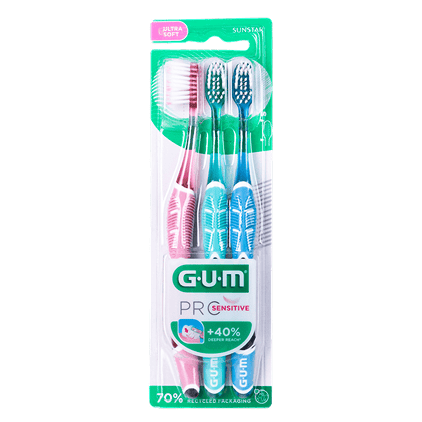
  • Soft is strong: Soft or ultra-soft bristles are gentler on gums and better at reaching between teeth and below the gumline. Think of them like a flexible broom that gets into corners. Try: GUMPRO Sensitive – ultra-soft, designed for delicate gums.
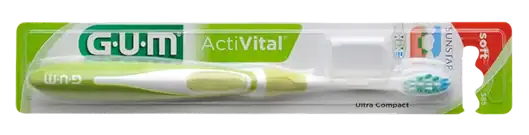
  • Tapered or conical tips: Tapered bristles reach deeper between the teeth and under the gumline than standard ones, removing more plaque with less effort. Look for: GUM Technique+ or GUM ActiVital – both are designed with clinically-proven tapered bristles. Look for: Oclean brushes have DuPont bristles with diamond-cut tips.
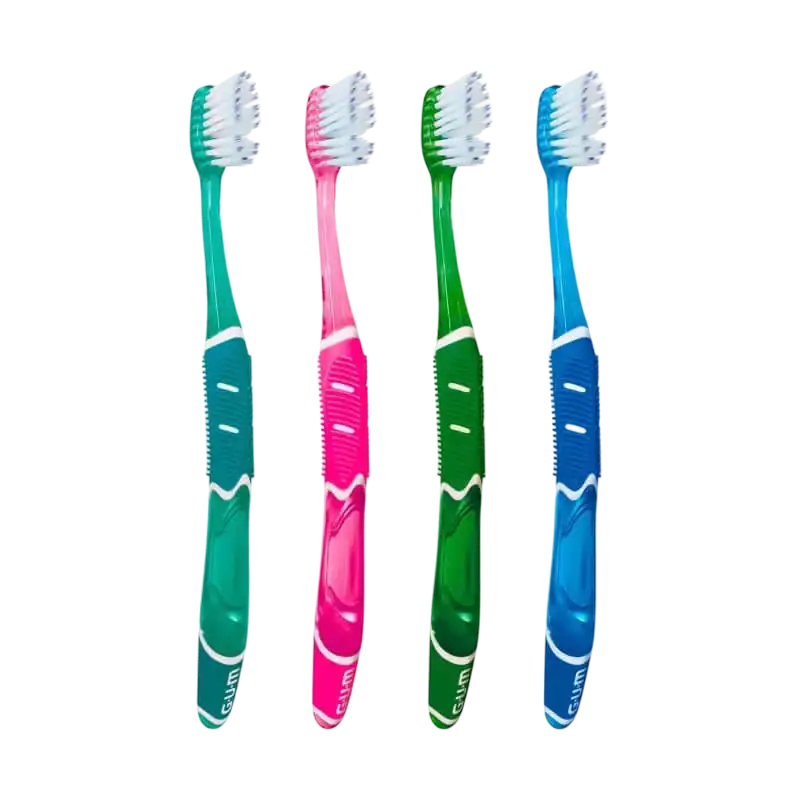
  • Varied heights: Bristles of different lengths clean more areas – the flat surface and the tight spots. GUM Dome Trim and Technique Pro use this smart design.
  • Hygienic design: Well-spaced bristles dry faster and resist bacterial buildup.
  • Material: Balene and Oclean brushes feature durable, antibacterial bristles.

Smaller is smarter. A compact brush head makes it easier to reach every tooth, especially the tricky ones at the back.

  • Look for: Small, rounded heads like the GUM ActiVital.
  • Bonus: Rubber-coated heads (like on GUM Kids) are gentler for little mouths or sensitive users.

A comfortable grip makes proper technique easier, especially the 45° angle dental professionals recommend to clean just under the gumline.

  • Ergonomic grips like the GUM PRO Sensitive and Technique+ help naturally guide your hand into the correct position.
  • Quad grips show you exactly where to hold for the best results.

Manual or power – the right brush makes all the difference. Ready to upgrade?
Browse our best manual brushes and power & sonic brushes.

Better Brushing for Life

From your baby’s first brush to dentures – and everything in between – we’ve got you covered. Here are expert brushing tips for every life stage and need.

Start early! Clean gums with a soft cloth or gauze before teeth emerge to build healthy habits. Once teeth appear, use a small-headed brush with soft bristles and a safe grip.

Recommended:

GUM Monster 0–2 Years – ultra-soft, gentle, and easy to hold

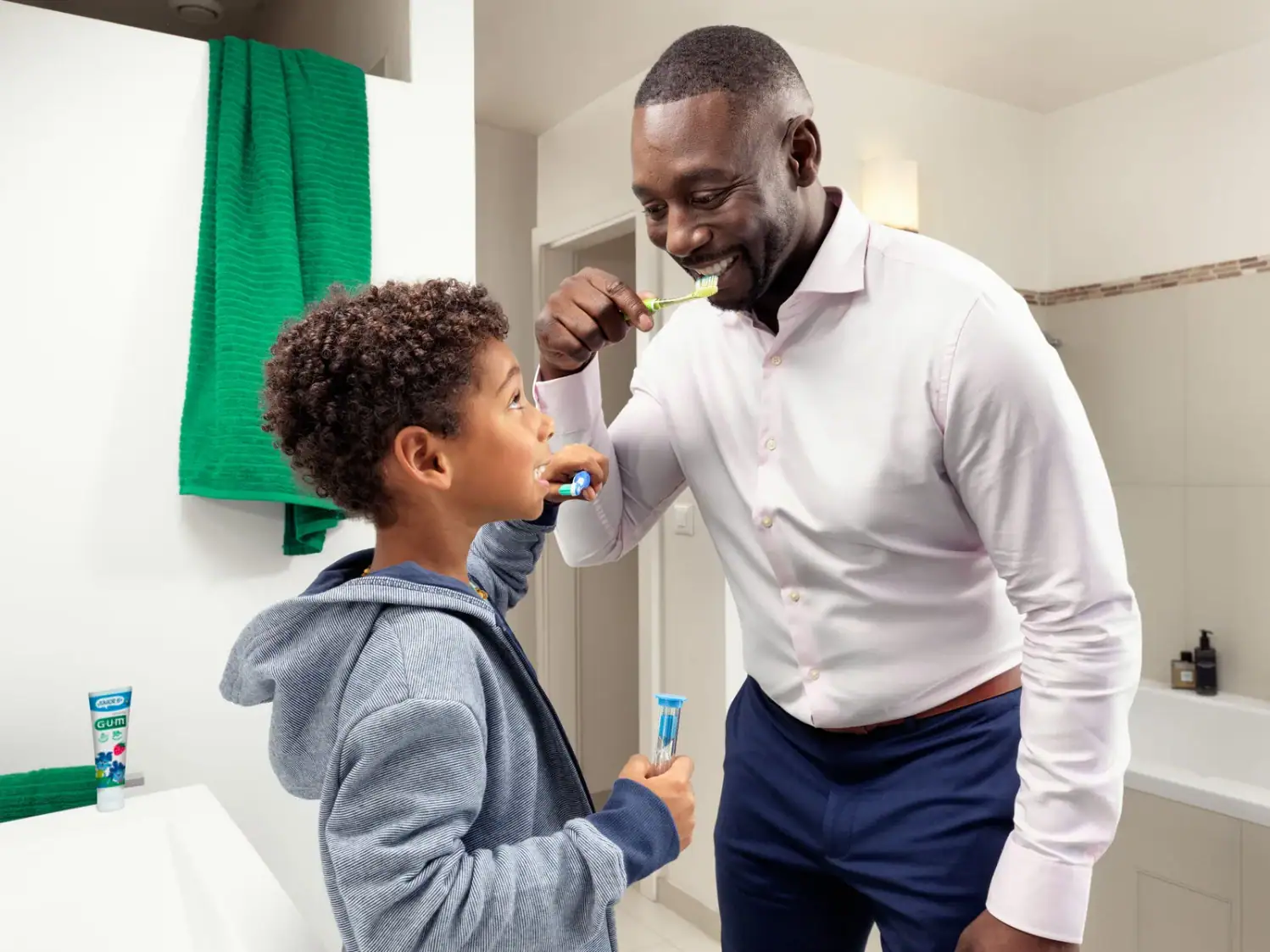
Establish lifelong brushing habits with fun, easy-to-use brushes. Help your child brush all tooth surfaces in small circles, gently touching the gums.

Recommended:
• GUM Kids Toothbrush – soft bristles, small head, cushioned grip

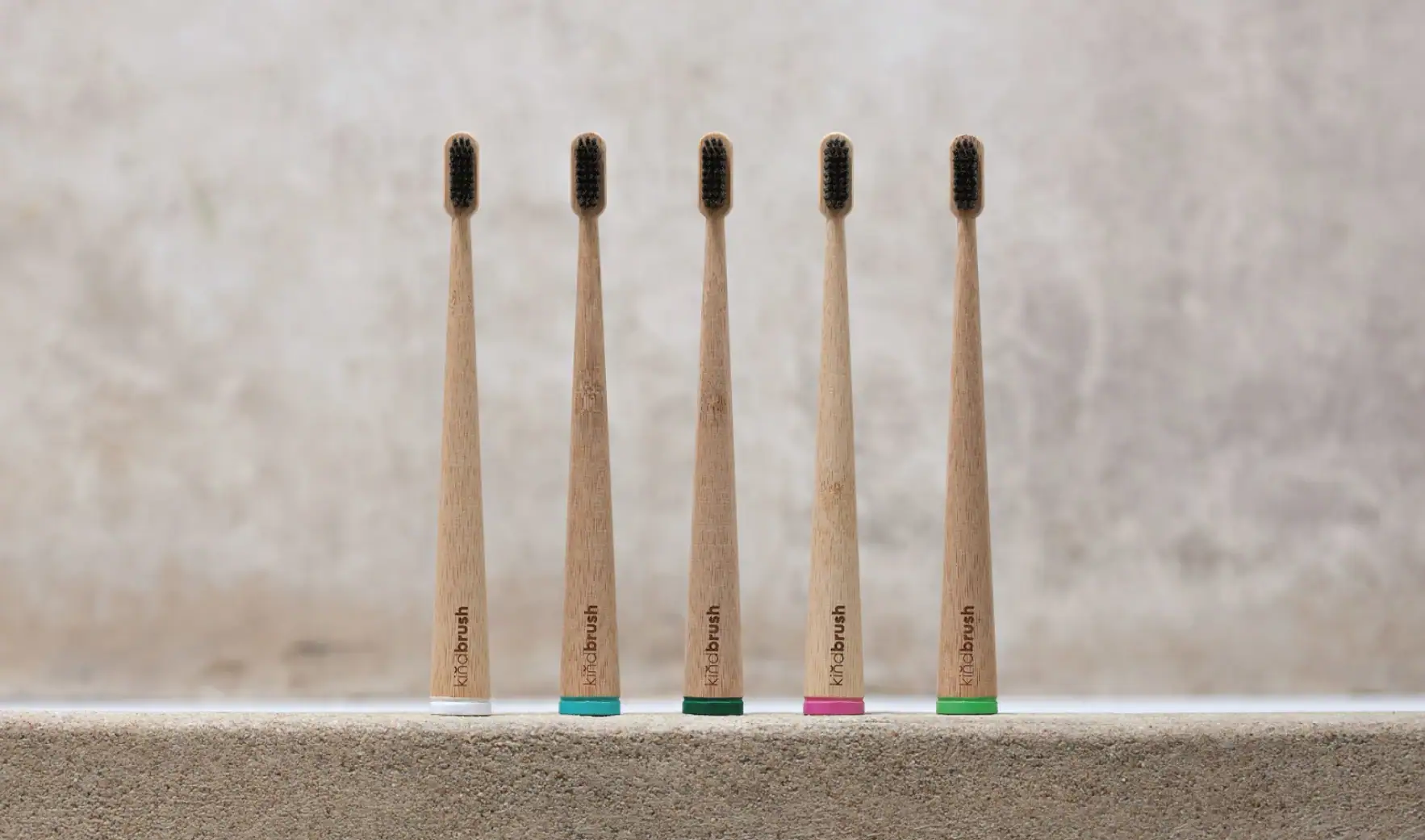
• Kindbrush Kiddies Bamboo Toothbrush – planet-friendly with a comfy grip

Brushing becomes a challenge as kids gain independence but lack technique. These brushes make brushing easier, more effective, and fun!

Recommended:

GUM Kids Toothbrush – soft bristles, small head, cushioned grip

Kindbrush Kiddies Bamboo Toothbrush – planet-friendly with a comfy grip

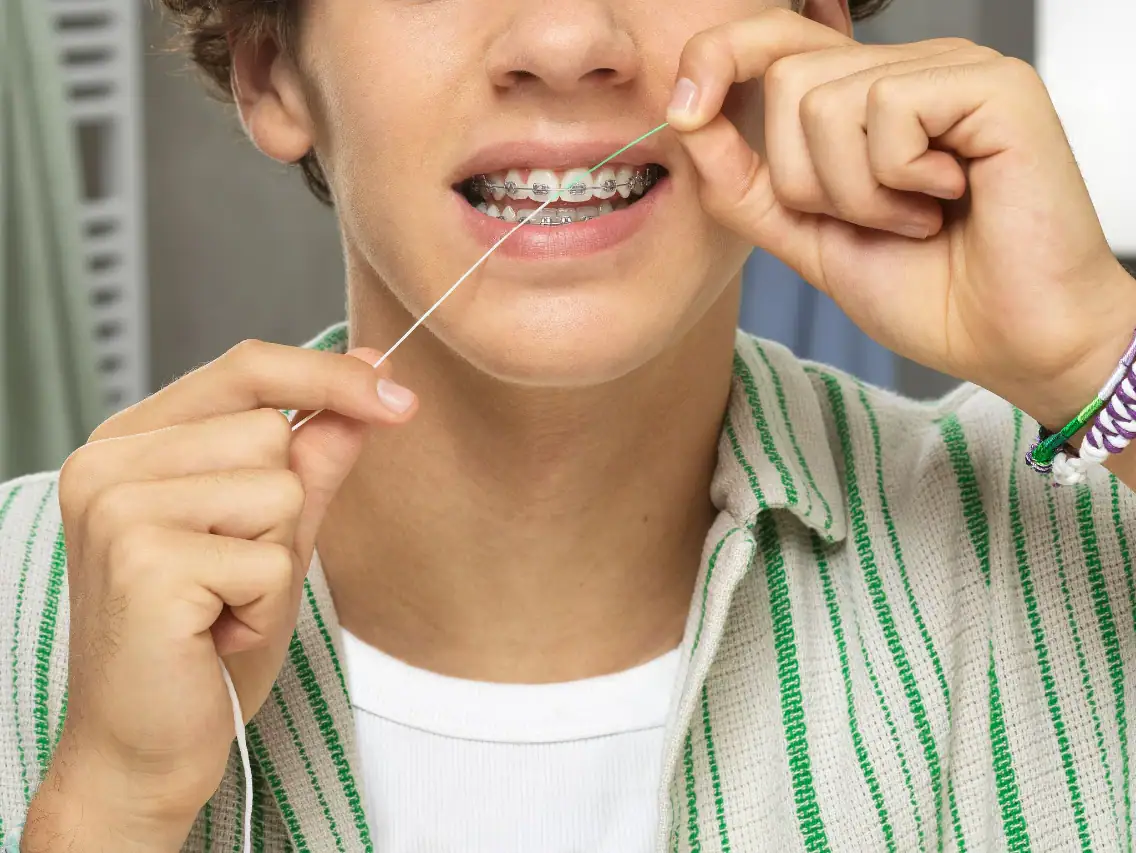
Braces make brushing trickier. Use specially shaped brushes to clean around brackets and wires.

Recommended:
• GUM Ortho Toothbrush – V-trim bristles reach around orthodontics

Do you wear braces? Check out our Guide to Orthodontic Braces.

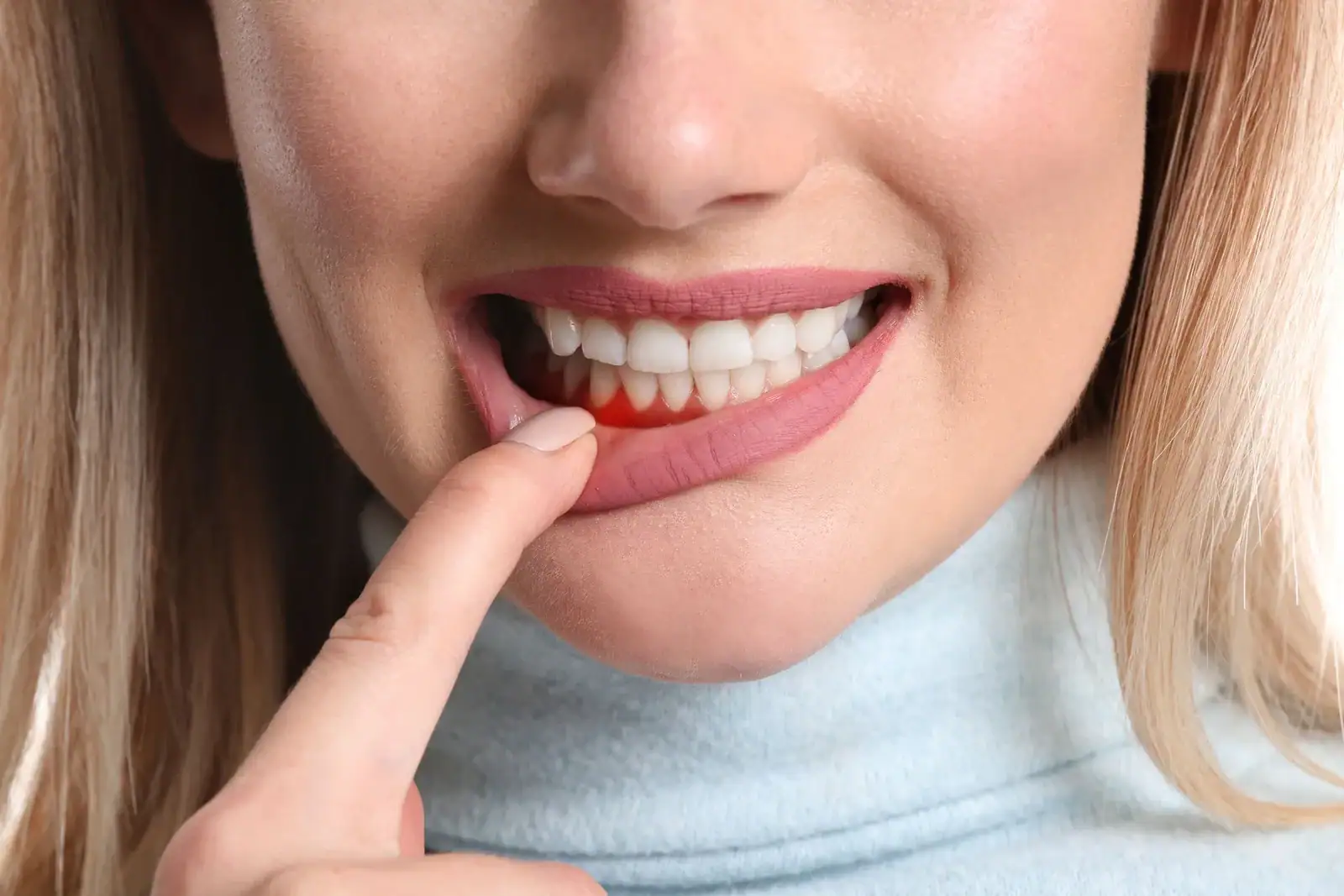
Bleeding or sensitive gums are often caused by plaque build-up or brushing too hard. Choose ultra-soft, tapered bristles for a deeper, gentler clean.

Recommended:
• GUM PRO Sensitive – compact head and ultra-soft bristles
Oclean X Ultra – AI-powered sonic brushing with pressure control

Bleeding or sensitive gums? Check out our Expert Guide to Bleeding Gums.

When brushing is physically challenging, the right tool makes a big difference.

Recommended:
• Balene Manual – dual-sided head cleans all surfaces at the same time
Balene DuoTech Sonic – has the revolutionary dual-sided head with added sonic power to

Explore Balene brushes for assisted brushing.

With age can come new oral challenges like dry mouth, sensitivity or arthritis. These brushes make brushing easier and more effective.

Recommended:
• Balene Manual or DuoTech Sonic – ideal for reduced mobility
GUM PRO Sensitive – gentle on gums
Oclean X Ultra – on-screen and AI voice-guided feedback

Check out our expert guide to Oral Care As You Age.

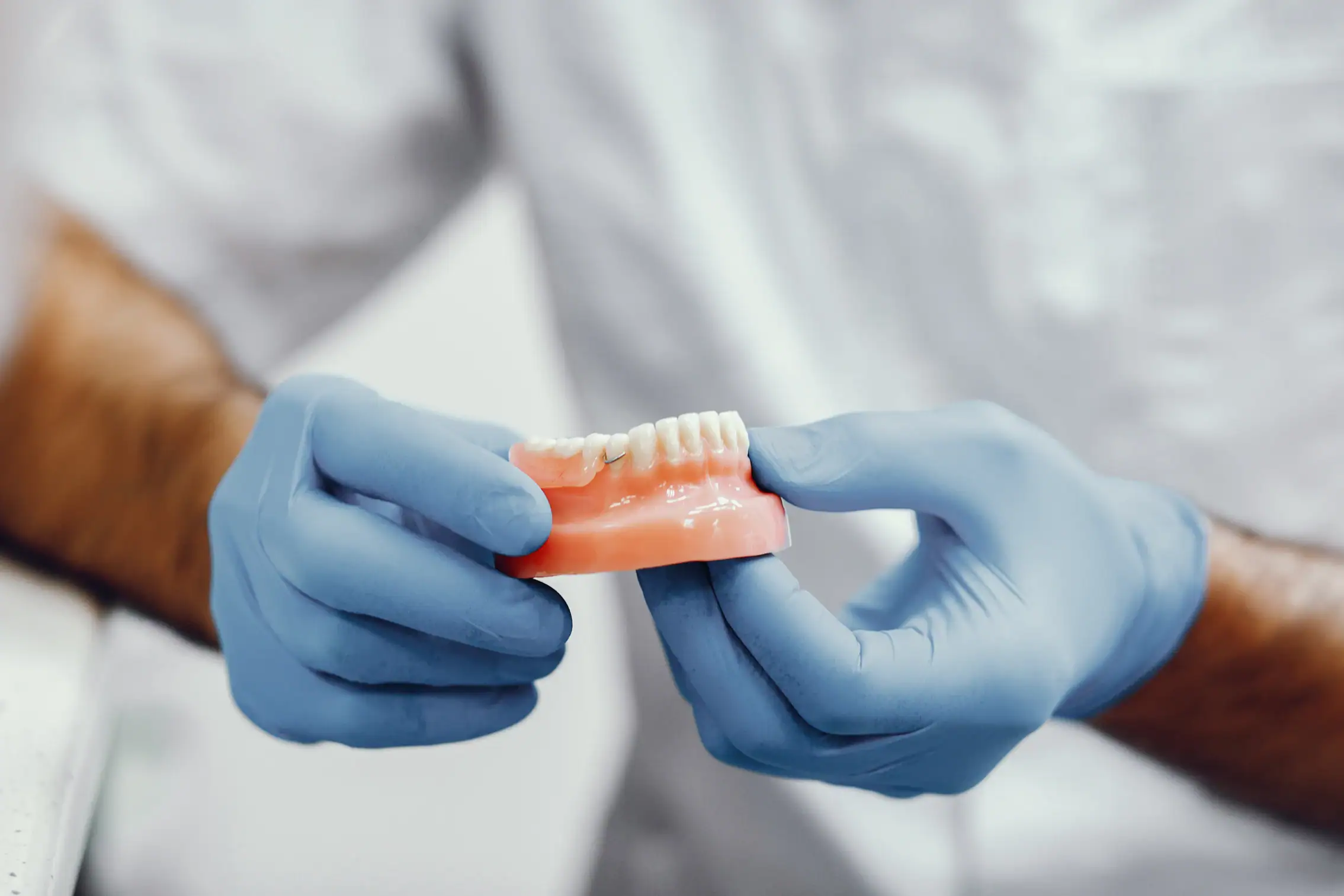
Clean dentures daily to prevent staining and maintain comfort. Use firm bristles – not regular toothpaste.

Recommended:
• GUM Denture Brush – sturdy grip and dual-action bristles

Do you wear dentures? Our expert guide has all you need to know for a confident healthy smile.

Want to go eco? Choose a toothbrush that’s better for the planet, too.

Recommended:
• Kindbrush – biodegradable bamboo handle with soft bristles

Need Help Choosing? Check the table below for the best brush for you or your family.

Which Brush Is Right for You?

Your Need

Recommended Brush

Sensitive or bleeding gums

GUM PRO Sensitive Ultra Soft Toothbrush

Deep daily cleaning

GUM PRO Manual Toothbrush

Braces or orthodontics

GUM Ortho Toothbrush

Kids (2–6 years)

GUM Kids

Kids struggling to brush (6-11 years)

Balene Junior (with a dual-sided head)

Dexterity issues / neurodiverse

Balene Manual / Balene DuoTech Sonic

Everyday effective brushing

GUM Technique+

Small mouth / compact head

GUM ActiVital Ultra Compact

No-fuss simple clean

GUM Dome Trim

Denture care

GUM Denture Brush

Tech-savvy / AI guidance

Oclean X Ultra sonic

Entry-level sonic

Oclean X Lite

Expert Tip: “From everyday needs to special care challenges, choosing the right brush is key to brushing better – and smarter.” Dirna Grobbelaar

Manual or Power Brush? What’s Right for You?

Both manual and electric sonic toothbrushes can clean well, when used properly. And manual toothbrushes are generally more cost-effective. But if you want to brush better, power brushes (especially sonic) may give you the edge.

Why choose a power brush?

  • Clinically proven* to remove more plaque than manual brushing.
  • Sonic brushes (like Oclean) deliver up to 84,000 movements per minute — far more than you could achieve by hand.
  • Gentler on gums: sonic micro-movements can clean effectively with less pressure, helping reduce gum recession and sensitivity.
  • Built-in timers make it easier to brush for the full 2 minutes — one of the most common mistakes people make is not brushing long enough.
  • Great for anyone with limited dexterity or who tends to brush too hard

Expert Tip: “One of the most common mistakes people make is not brushing for long enough. An electric brush with a built-in timer can be a game changer.” –Dirna Grobbelaar, Oral Hygienist

How to Brush Properly

Most of us brush every day, but are you brushing correctly? Brush smarter, not harder

Follow these steps:

  1. Hold the brush at a 45° angle towards the gumline (the dentist-recommended Bass brushing technique).
  2. Use gentle, circular motions, cleaning one tooth at a time.
  3. Brush all surfaces – outer, inner and chewing surfaces.
  4. Brush for 2 minutes, twice daily, 30 minutes after meals or acidic drinks.
    Don’t forget:
  • To clean in-between the teeth – where brushing can’t reach – with floss or another interdental such as GUM Soft-Picks Pro.
  • Your tongue is a major source of odour-causing bacteria. Use a tongue scraper or a brush with a built-in tongue cleaner, like Balene or Oclean.

Want to see what you’re missing? Use GUM Red-Cote Plaque Disclosing Tablets to reveal plaque build-up and improve your brushing technique.

Expert Tip: “Many people miss the inner surfaces or brush too hard. Using a soft-bristled brush – especially with GUM’s tapered bristles makes all the difference.” Dirna Grobbelaar, Oral Hygiene Advisor

How to Care for Your Toothbrush

Taking care of your toothbrush helps keep it hygienic and lasts longer. Here’s how:

  • Rinse well and air dry after use
  • Store upright and let it breathe
  • Replace every 3 months – sooner if bristles become worn or splayed
  • For travel: use GUM Protect Covers, which have an antibacterial coating

What About Toothpaste?

While toothpaste isn’t essential for removing plaque, it can enhance your brushing experience with added benefits – from soothing sensitivity to whitening and probiotic support. Choose a toothpaste that suits your preferences and needs.

Expert Tip: “Toothpaste isn’t just for fresh breath – it can help protect enamel, soothe sensitivity and reduce gum inflammation.” Dirna Grobbelaar, Oral Hygiene Advisor

Not sure which toothpaste is right for you? Read our expert guide to choosing the best toothpaste.

FAQs

Every 3 months – or sooner if the bristles become worn or you’ve been sick.

Always choose soft or ultra-soft bristles. They’re gentle on gums and more effective at removing plaque.

Both can clean effectively. Electric brushes can help if you struggle with brushing technique, pressure, or timing.

Yes – provided the brush is age-appropriate and your child is supervised to ensure correct use.

Yes – brushing for 2 minutes ensures all surfaces are cleaned properly. Use a timer or a brush with a built-in reminder.

Start Brushing Better Today

Small change, big impact. The right brush, used correctly, transforms your oral health.

Want expert oral care advice, exclusive offers and giveaways?
Join thousands of subscribers & sign up for our monthly Ivohealth News here.

References
Botelho et al. (2022) – Oral Health & Systemic NCDs
Nazir, MA – Periodontal Disease & Systemic Risk (2017)

The information provided on this website is intended for general informational purposes only. It should not be construed as medical advice or used as a substitute for professional medical diagnosis or treatment. Always seek the advice of your dentist, oral hygienist or another healthcare provider regarding your oral health or other medical conditions. Reliance on information provided on this website is solely at your own risk.