Oral Care
Specialised Oral Care
Personal Health & Wellness
Featured
Featured
Sonic Toothbrushes
Free Shipping for Orders over R1,000
Oral Care
Specialised Oral Care
Personal Health & Wellness
Featured
Sonic Toothbrushes
Did you know there’s a two-way link between diabetes and oral health? People with diabetes face higher risks of gum disease and cavities. Poor oral health can complicate blood sugar control. Prioritising oral health is especially important when you have diabetes.
This practical guide to living healthier with diabetes outlines an oral care regime that can help prevent common complications and keep your mouth healthy.
Oral health issues to watch out for | What is diabetes? | What is gum disease? | How Inflammation Links Oral And Systemic Health | Diabetes & oral health | Diabetes & your dental professional | The ideal daily oral care for diabetes | Dry mouth | Extra self-care tips for people with diabetes | Recap: How to break the cycle
Reviewed by
Dirna Grobbelaar, Oral Hygiene Advisor
Updated on January 17, 2024
If you, or someone you care for, has diabetes, you may already know that the condition increases your risk of gum disease and other oral health problems. What’s less well known is that gum disease can also make it harder to control blood sugar levels and may even increase your risk of developing type 2 diabetes, creating a powerful two-way relationship between oral health and diabetes.
That’s why your dentist and oral hygienist are important members of your diabetes care team. Proactive oral hygiene can help lower your risk of developing diabetes and make it easier to manage the condition if you already have it.
Diabetes is a chronic condition that affects how your body processes sugar (glucose). There are two main types: type 1 and the more common type 2 diabetes.
Worldwide, diabetes is rising sharply. In South Africa, it’s estimated that 12.9% of adults live with diabetes, and many remain undiagnosed. According to the International Diabetes Federation, the disease ranks as the leading cause of death among women and the second among men in the country.
Gum disease is one of the most common health conditions, affecting around 90% of people at some point in their lives. It begins when plaque, a sticky film of bacteria, that builds up on teeth and gums, causing irritation and inflammation. Gums may appear red, swollen or bleed when brushing or flossing.
Early-stage gum disease, known as gingivitis, is reversible with consistent oral care. However, if left untreated, it can progress to periodontitis, a severe form of gum disease that damages the tissues supporting your teeth, potentially leading to tooth loss.
Inflammation is the body’s natural response to infection or injury, but when it becomes chronic, it can damage healthy tissues. Gum disease triggers ongoing inflammation in the mouth that doesn’t just stay local, it can spread through the bloodstream, affecting other organs and contributing to systemic inflammation.
This is particularly concerning for people with diabetes, as inflammation worsens insulin resistance, making blood sugar harder to control. In turn, high blood sugar fuels further inflammation in the gums, creating a harmful cycle. Managing inflammation through effective oral care and good blood sugar control is one of the best ways to protect both your mouth and the rest of your body.
Research shows a clear two-way link between diabetes and gum disease.
When blood sugar levels are high, more glucose circulates in the saliva, creating an ideal environment for bacteria to grow. This increases the risk of bleeding gums, cavities, gum disease and bad breath. Additionally, about 40% of people with diabetes experience dry mouth, or xerostomia, which further raises the risk of decay and infection.
People with diabetes often have a reduced ability to fight infection and slower healing, both of which can make gum problems worse. On the other hand, gum disease can make blood sugar levels harder to manage, increasing the risk of diabetes-related complications.
The good news? With the right care, this vicious cycle can be broken.
Good oral health is part of good diabetes management. Once diagnosed, see your dentist as soon as possible and share your medical history, including any medications you have and are currently taking.
“Oral health is closely linked to blood sugar control,” explains Dirna Grobbelaar, Oral Hygiene Advisor for Ivohealth. “By taking care of your teeth and gums, you’re also supporting your overall health. It’s all connected, and prevention truly is the best approach.”
Regular check-ups and professional cleanings (at least twice a year) allow your dental team to detect issues early and remove plaque or tartar that home brushing can’t reach.
Keep your doctor updated on your oral health, especially before any dental surgery. If your blood sugar is not well controlled, your dentist may delay procedures such as periodontal or implant surgery until your glucose levels are stabilised.
A healthy mouth supports a healthy body. Here’s a simple daily routine to protect your oral health and overall wellbeing:
Dry mouth affects over 40% of people with diabetes. A lack of saliva makes it harder to chew, swallow and speak, and because saliva helps protect teeth, a dry mouth can quickly lead to plaque build-up, bad breath and tooth decay.
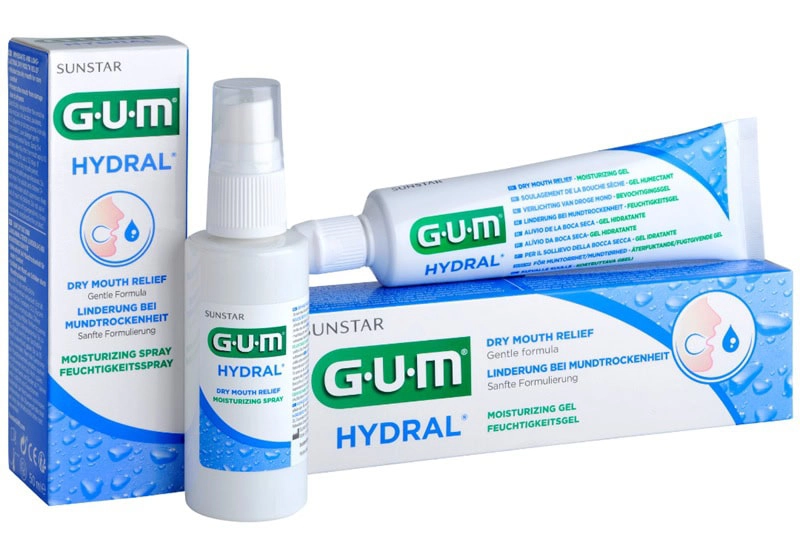
The first priority is rehydration. Sip water regularly and chew sugar-free gum to stimulate saliva. Products like GUM Hydral are designed specifically to moisturise and soothe oral tissues.
Diabetes and gum disease feed into each other through inflammation and infection. You can break the cycle by:
A healthier mouth helps support better blood sugar balance, and vice versa.
For monthly oral health tips, expert advice, exclusive offers and the chance to win exciting prizes, subscribe to Ivohealth News here.
The information provided on this website is intended for general informational purposes only. It should not be construed as medical advice or used as a substitute for professional medical diagnosis or treatment. Always seek the advice of your dentist, oral hygienist or another healthcare provider regarding your oral health or other medical conditions. Reliance on information provided on this website is solely at your own risk.
No account yet?
Create an Account